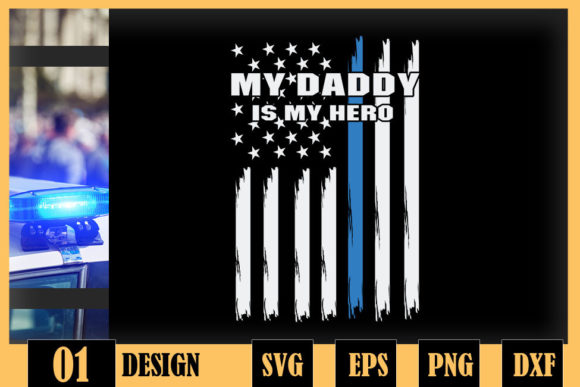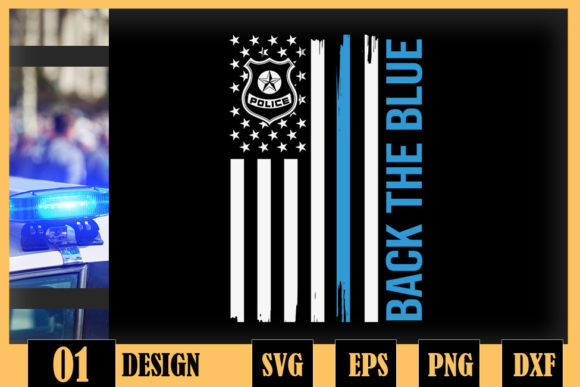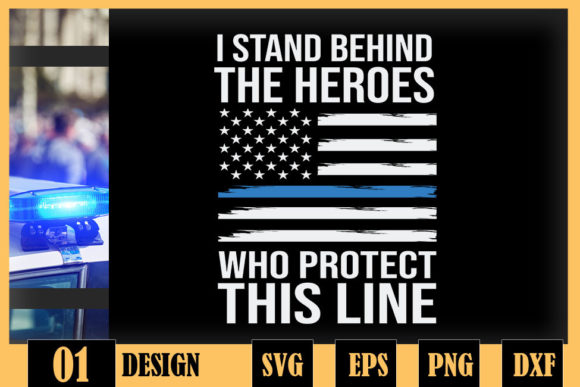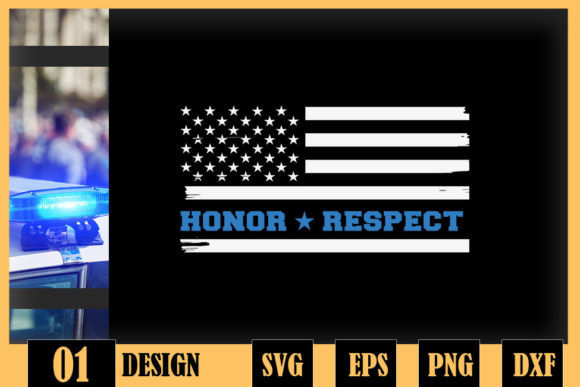
Back the Blue Thin Blue Line USA Flag Graphics & Crafts
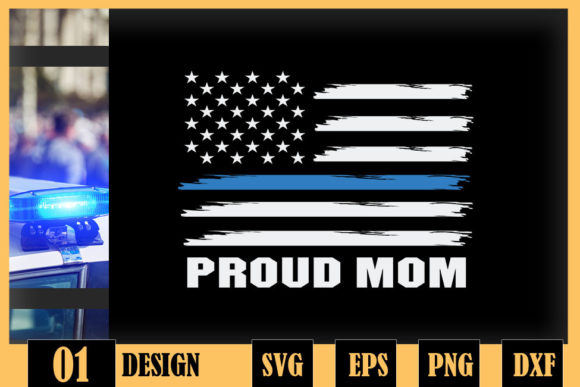
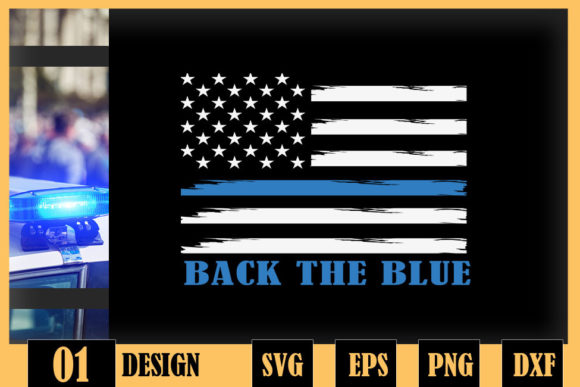
The Back the Blue Thin Blue Line USA Flag is a striking graphic design asset that immediately conveys a sense of patriotism, pride, and community. Its bold, clean lines and strong visual presence make it ideal for projects that require a clear, impactful message. As a designer, I find that this flag has a timeless quality that can elevate a wide range of creative projects, from handmade business branding to seasonal campaigns and digital marketing visuals.
First Impressions: A Strong Visual Statement
Upon first glance, the Back the Blue Thin Blue Line USA Flag exudes a powerful visual mood. The thin blue line symbolizes law enforcement, while the American flag adds a layer of national identity. This combination creates a design that feels both respectful and emotionally resonant. It’s a perfect fit for clients who want to express support for public safety or celebrate the values of service and sacrifice.
This graphic design asset works well in both modern and traditional contexts. Its simplicity allows it to adapt to various styles, making it versatile for different brand identities and creative directions. Whether used as a standalone element or integrated into a larger design, it maintains a strong visual presence without overwhelming the overall composition.
Real-World Applications: Where It Shines
In real design situations, the Back the Blue Thin Blue Line USA Flag proves to be a valuable tool. For logo design, it can serve as a central motif or supporting element, adding depth and meaning to a brand’s visual language. In brand identity projects, it can reinforce a client’s message of unity, protection, and civic duty.
For product labels and packaging design, this graphic design asset offers a professional, polished look that appeals to a broad audience. It’s especially effective for merchandise like t-shirts, mugs, and tote bags, where the flag can be used as a prominent feature or subtle accent. When incorporated into sticker design or Canva templates, it provides a ready-made visual that enhances the overall aesthetic of a project.
When used in social media graphics, the flag can help create a cohesive visual theme for campaigns, event promotions, or community initiatives. It also works well in editorial design, such as blog visuals or magazine layouts, where a strong image can draw attention and convey a clear message.
Best Use Cases: Large Layouts and Themed Projects
The Back the Blue Thin Blue Line USA Flag excels in large layout areas, hero graphics, and product mockups. Its size and clarity make it ideal for use in posters, flyers, and invitations where the message needs to be immediately visible and impactful. As part of a themed collection, it can be paired with other patriotic elements to create a unified visual style that supports a specific campaign or event.
It also works well as a decorative accent in packaging details, printable designs, and commercial design assets. When used in print-on-demand or Etsy products, it adds a professional touch that can attract customers looking for meaningful, high-quality designs.
Caution Areas: Minimalist and Corporate Designs
While the Back the Blue Thin Blue Line USA Flag is a strong design asset, it may not be suitable for all projects. In minimalist branding or corporate materials, its boldness could clash with a more restrained visual hierarchy. Similarly, in low-contrast designs or crowded layouts, it may lose its impact and become visually overwhelming.
For projects that require a very clean, modern look, this flag might not align with the desired aesthetic. It’s important to consider how the design fits within the broader context of a client’s brand or project goals before incorporating it into a final concept.
Design Considerations: Practical Tips for Professionals
As a designer, I always recommend testing the Back the Blue Thin Blue Line USA Flag in black and white to assess its contrast and readability. It should maintain its visual integrity on both light and dark backgrounds, ensuring it remains legible and impactful across different mediums.
Previewing the asset at small and large sizes is also essential. At smaller scales, the details may become less distinct, so it’s important to ensure that the design still communicates its intended message. When placed on real mockups, it helps visualize how it will appear in actual use, whether on a t-shirt, mug, or digital ad.
Checking file formats is another key step. If the design is available as an SVG or PNG, it should be tested for editability and transparency. Comparing it with different font styles—such as serif, sans serif, script, or display fonts—can also help determine how it integrates with text elements in a design.
Commercial Use and Licensing
Before using the Back the Blue Thin Blue Line USA Flag for a client or business project, it’s crucial to confirm the commercial licensing terms. This ensures that the design asset can be used freely without legal complications. For designers working on print-on-demand or small business branding, this step is especially important to avoid any potential issues down the line.
Understanding the scope of the license also helps determine how the design can be modified, distributed, or adapted for different applications. Whether used as part of a design bundle, a Cricut project, or a sublimation design, having clear rights is essential for professional work.
Conclusion: A Versatile Asset for Creative Designers
The Back the Blue Thin Blue Line USA Flag is a powerful graphic design asset that can enhance a wide range of creative projects. From handmade businesses to print-on-demand sellers, it offers a meaningful visual that can resonate with audiences and support a strong brand identity. When used thoughtfully, it can elevate the professionalism and emotional appeal of a design, making it a valuable addition to any designer’s toolkit.